
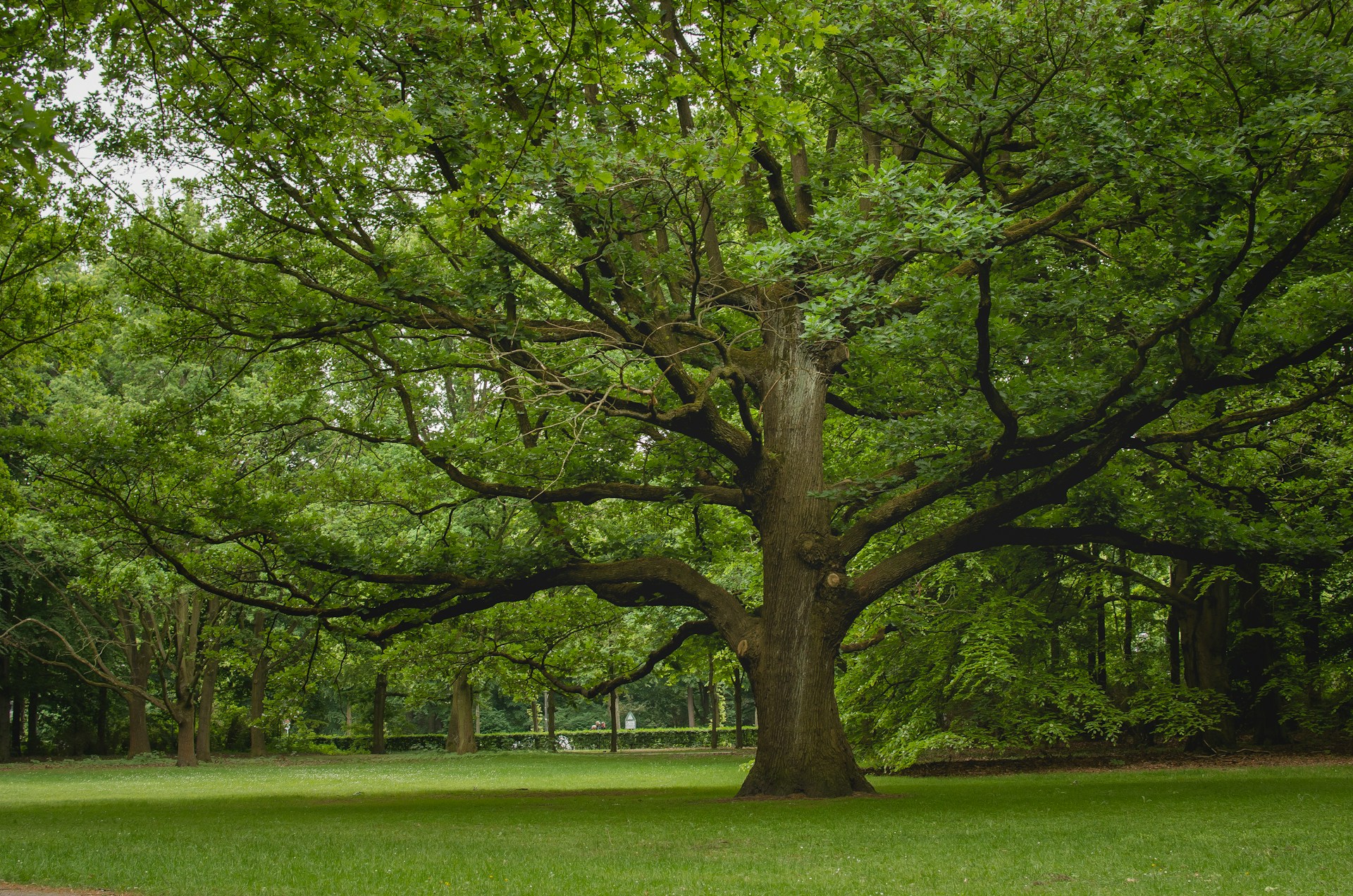
Ash trees add real beauty and shade to Franklin yards, but they face a lot of pressure. Urban growth, compacted soil, and pests like emerald ash borer all chip away at their health. When you are planning to build or remodel, your ash trees feel that stress even more.
In this article, we explain why an ash tree health evaluation in Franklin should happen before building plans are final. We will walk through what construction does to trees, warning signs to watch for, what happens during a professional inspection, and how to plan a project that keeps your trees, your home, and your schedule safer.
Safeguard Your Ash Trees Before Construction Begins
Ash trees in Franklin and nearby areas deal with two big pressures at the same time: growing development and emerald ash borer. New driveways, additions, and backyard projects often push soil and equipment right where roots need space and air. At the same time, emerald ash borer attacks from the inside, weakening trees that already feel stressed.
That is why planning ahead matters. An ash tree health evaluation in Franklin works best before you sign off on final building plans. Once layouts are locked in and materials are ordered, it is much harder to change a driveway route or move a trench away from a root zone.
Taking trees into account early helps you.
- Protect property value by saving healthy, mature shade
- Avoid project delays from surprise removals later
- Keep favorite trees that new plantings cannot replace for many years
Why Pre-Construction Ash Tree Checks Matter
Construction can hurt ash trees in slow, sneaky ways. You may not see damage right away, but the stress keeps building for months or even years after the project is done.
Common building activities that strain trees include:
- Grading or leveling soil near the trunk
- Trenching for utilities through root zones
- Placing driveways, patios, or sidewalks too close
- Running heavy equipment over the same root area again and again
When roots are cut or crushed, the canopy often looks fine at first. Over time, though, the tree starts to thin out, drop branches, or lean. By the time problems are obvious, the damage is often permanent.
A proactive ash tree health evaluation in Franklin helps you see the full picture before work starts. During an evaluation, we can:
- Identify trees that are strong enough to keep
- Flag trees that are already unsafe or too weak to survive construction
- Point out candidates for treatment or pruning
- Suggest which areas need extra protection during the build
Planning ahead like this can save money in the long run by lowering the chance of:
- Emergency removals after storms
- Structural damage from falling limbs
- Liability concerns from failing trees near new homes or additions
Key Warning Signs Your Ash Tree Is in Trouble
Some warning signs are easy to see if you know what to look for. Others need a trained eye. Paying attention before ground is broken can help you avoid building around a tree that is already on its way out.
Obvious red flags include:
- Thinning canopy or bare branches at the top
- Dieback in upper limbs that never leaf out fully
- Sprouts popping out along the trunk or main limbs
- Bark splits or loose, cracking bark
- Small D-shaped exit holes from emerald ash borer
There are also subtle signs that many homeowners miss, such as:
- Early fall color or leaf drop compared to nearby trees
- Unusual or heavy woodpecker activity on the trunk
- Bark flecking where birds have chipped away at the surface
- Fine sawdust or frass in bark crevices
Timing matters too. Late-summer and early-fall symptoms can give key clues before winter building schedules start. Catching issues then gives you time to decide whether it is safe to design around that tree or better to remove it before work starts.
What Happens During a Professional Tree Health Evaluation
A professional ash tree health evaluation in Franklin is more than a quick glance at the trunk. We look at the whole site and how your building plans may intersect with each tree.
Typical steps include:
- Walking the property to review building layouts and access routes
- Examining root zones for compaction, grading, or drainage issues
- Inspecting trunks for cracks, pests, and disease
- Checking the canopy for dieback, weak limbs, and leaf problems
We may use diagnostic tools and methods such as:
- Mallet or sounding tests to pick up hints of internal decay
- Root and soil checks to look for rot, poor drainage, or stress
- Close inspection for emerald ash borer activity and other pests
- Structural risk analysis to judge how a tree might respond to wind and weather
At the end, you should have clear, practical guidance, such as:
- Which ash trees are good candidates for preservation
- Trees that need pruning, cabling, or treatment before work
- Which trees are safer to remove ahead of construction
- Protection plans to lower damage during the building phase
Protecting Ash Trees While You Build
The best time to protect your trees is when plans are still flexible. When you bring ash tree health evaluation results into early design talks, your architect and contractor can often adjust routes or features to give trees more breathing room.
Key protection steps may include:
- Fencing off critical root zones so equipment and materials stay out
- Planning access paths that keep heavy traffic away from trunks
- Limiting how much soil is added or removed around roots
- Scheduling careful pruning before big equipment moves in
Good soil care also helps trees handle the stress of construction. In many Franklin yards, that means focusing on:
- Improving soil structure around root zones
- Light fertilization to support root growth where needed
- Mulching to keep roots cooler and hold moisture
Doing this work in late summer or fall, before peak construction activity, can give your ash trees a better chance to recover once your project is finished.
When Removal Is Safer Than Preservation
As much as we love saving trees, there are times when removal is the safer and more responsible choice. Building around a failing ash tree often creates bigger problems down the road.
Removal is usually the better option when:
- Emerald ash borer damage is advanced and the tree is declining fast
- There are large dead or cracked limbs over roofs, driveways, or play areas
- The trunk has major decay or lean that points to structural failure
- Planned excavation will cut through most of the major roots
Taking down a problem tree before construction can prevent issues like:
- Needing a crane or heavy truck on your brand-new driveway
- Emergency work after a storm drops limbs on a new structure
- Tearing up fresh landscaping to reach a dangerous tree
In tight Franklin lots, careful planning is key. We focus on controlled removals that protect nearby homes, fences, and other trees. Stump grinding and planning for replacement planting can help your yard recover and look balanced again.
Plan Your Build with Your Trees in Mind
Thoughtful building plans and healthy trees can go together when you start with good information. An ash tree health evaluation in Franklin, set up before final design decisions, helps you see which trees you can safely keep and which ones need more attention.
By planning with your trees in mind, you get safer properties, fewer construction surprises, and long-lasting shade that keeps your home attractive for years to come. Greenway Tree Service works with homeowners and builders across Franklin, Brentwood, Murfreesboro, and nearby communities to make sure ash trees are part of smart, long-term plans, not an afterthought once the dust settles.
Protect Your Ash Trees With a Professional Evaluation Today
If you are concerned about signs of stress, pests, or disease in your ash trees, now is the time to act. At Greenway Tree Service, we provide a detailed ash tree health evaluation in Franklin to help you understand the condition of your trees and the best next steps. Our team will explain your options clearly so you can make confident decisions about removal, treatment, or long-term care. Ready to schedule an inspection or ask a question about your trees? Contact us today.