
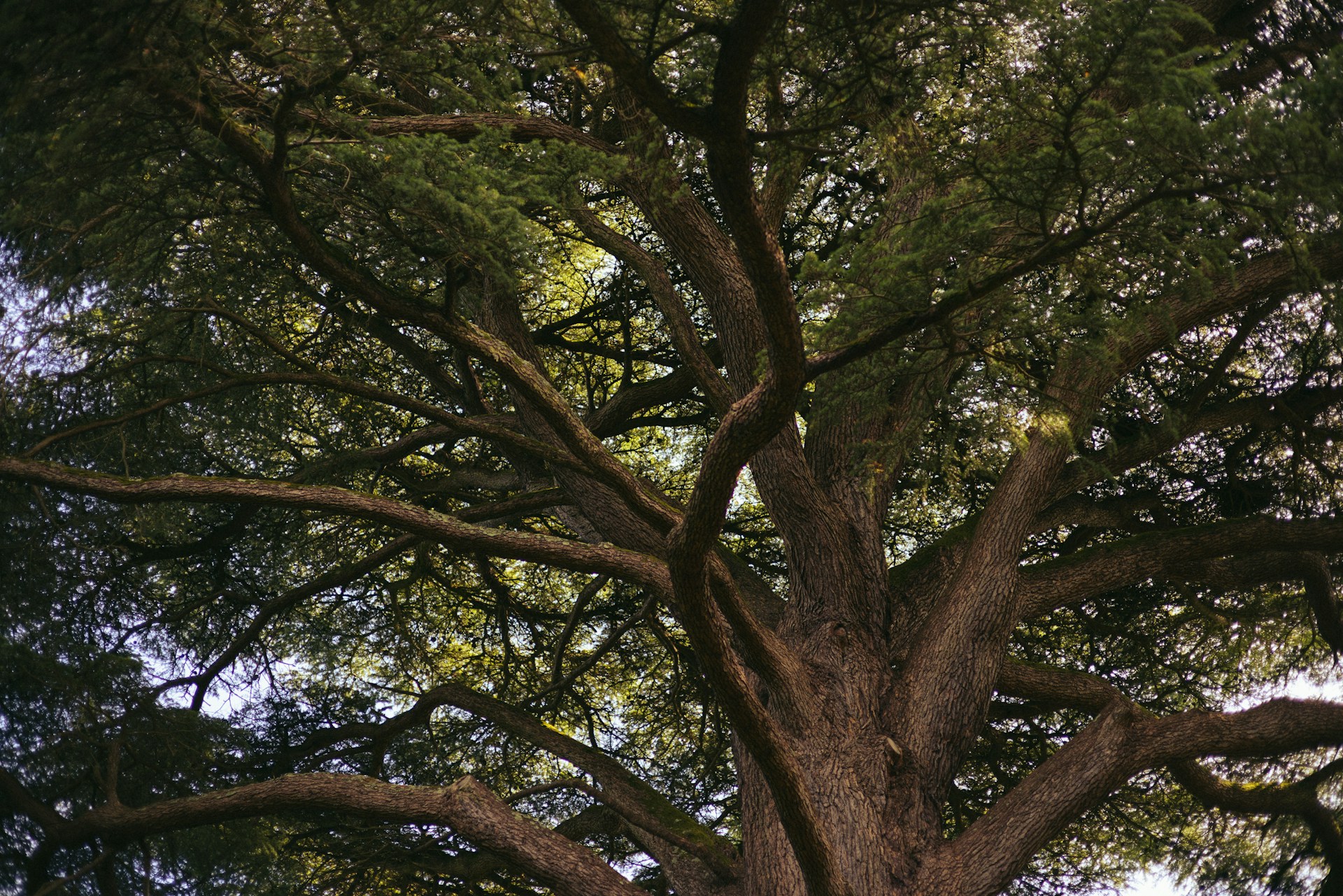
Fall Yard Work That Protects Your Ash Trees
Fall is a smart time to look at your ash trees while you are already busy cleaning up the yard. Cooler temperatures make outdoor work easier, and as the leaves drop, you can finally see the true shape of each tree. That clear view helps catch problems before winter storms bring wind and ice.
In Middle Tennessee, mature ash trees face two big threats: emerald ash borer and storm damage. Emerald ash borer attacks from the inside, weakening branches and trunks. Then strong winds or an ice event can bring those weakened limbs down on roofs, driveways, and power lines. Protecting these trees is not just about shade and looks; it is about safety and property value.
When fall projects start to stack up, it helps to plan tree work around everything else. Ash pruning, treatment, or removal can be timed with landscaping projects, cleanup days, and even utility locate schedules. With good planning, you only tear up the yard once, then put it back together for the season.
Spotting High-Risk Ash Trees Before Winter Storms
While you are raking leaves or cutting back beds, take a slow walk and really look at your ash trees. Some warning signs are small, but together they point to a tree that needs a professional ash tree risk assessment in Brentwood.
Common signs that an ash tree may be in trouble include:
- Dead or thinning branches in the upper canopy
- Bare sections where leaves never filled in during the growing season
- Cracks or splits in the bark, especially where large branches meet the trunk
- Heavy woodpecker activity on the same tree, which can point to insect problems
After leaf drop, you have a better line of sight through the canopy. This makes it easier to spot:
- Long dead branches hanging over driveways, roofs, or play areas
- Weak branch unions shaped like tight V’s that may split under load
- Cavities or hollow spots in the trunk or main stems
- Heavy clusters of small shoots along the trunk, a stress response in many ash trees
Not every struggling ash tree has to come down. Some can often be treated and supported if problems are caught early. In many cases:
- Trees with a mostly full canopy and minor dieback may be good candidates for treatment and pruning
- Trees with large dead sections, deep cracks, or heavy lean toward a structure are more likely to require removal
A trained eye is important here, because emerald ash borer damage and internal decay are not always obvious from the ground. A professional inspection before winter gives you a plan, so you are not dealing with emergency damage in the middle of a stormy week.
Timing Pruning and Treatment with Fall Cleanups
Fall yard work already involves a lot of mess, so it makes sense to time pruning so all the debris is cleaned up once. When pruning is scheduled with your normal cleanup tasks, the whole process becomes smoother and easier on your yard.
Many homeowners like to bundle:
- Leaf raking and blowing
- Cleaning out gutters and roof valleys
- Cutting back perennials and vegetable beds
- Ash tree pruning for clearance and safety
By doing these jobs together, you only drag tarps, bags, and tools across the lawn a single time. Branches and leaves can be chipped, hauled, or piled for pickup in one visit instead of two or three.
Fall often lines up well with certain preventive treatments in our area. Soil conditions are usually moist but not soaked, and temperatures tend to be moderate. This can be a good window for:
- Root zone treatments to support stressed ash trees
- Preventive treatments against common borers and other pests
- Follow-up care on trees that were treated earlier in the year
A professional crew can also plan pruning cuts with a long view. That means:
- Setting proper clearance from roofs, driveways, and walkways
- Reducing heavy limbs that could split under ice load
- Shaping the canopy so wind can pass through more easily
With careful timing, your fall landscaping work stays intact, and your ash trees go into winter in better shape.
Coordinating Removals, Stump Grinding, and Utility Locates
When an ash tree has to be removed, planning around utilities becomes very important. Large roots and stumps can be close to buried lines, irrigation, or future landscape features. This is where proper Tennessee 811 utility locates come into the picture.
Anytime stump grinding or heavy digging is planned near:
- Streets or sidewalks
- Driveways or parking areas
- Known underground irrigation
- Planned patios, walls, or new beds
You want utility lines marked before work begins. This protects both property and people and keeps the project on track.
A typical fall timeline for a removal project might look like this:
- Start with an ash tree risk assessment in Brentwood to decide if pruning, treatment, or removal is needed
- Once removal and grinding are chosen, request utility locates so underground lines are clearly marked
- Schedule the removal so large pieces come down safely, with rigging and controlled lowering
- Follow up with stump grinding before you add new sod, shrubs, or hardscape features
A professional crew will also think through how to get equipment in and out without tearing up your whole lawn. That can include choosing access routes, using boards or mats to protect turf, and staging log and chip piles in smart spots. Done well, debris is hauled away quickly and your yard is ready for fresh planting and mulching as soon as you are.
Protecting Landscaping, Lawns, and Neighbor Relations
Large ash trees often sit close to fences, driveways, and property lines. That means a pruning or removal job affects more than one yard. Good planning keeps neighbors informed and helps everyone feel comfortable with what is happening.
Helpful steps include:
- Talking through property line questions before work begins
- Letting nearby neighbors know about planned tree work days and times
- Clarifying access points so equipment does not cross private areas without permission
Protecting the landscape you already have is just as important. A thoughtful crew will:
- Shield shrubs, small trees, and flower beds from falling branches
- Pad hardscapes like patios, walkways, and steps that may need protection
- Protect lawn areas with ground protection to prevent ruts
With the right rigging, protective mats, and a clear plan, tree work can be done with very little damage to your yard. Fall is also a natural time to think about what comes next if you remove an ash tree. Replanting and diversifying your tree species can help your property stay healthy and attractive in the long run. Choosing site-appropriate trees with good pest resistance keeps your curb appeal strong and spreads risk, so one pest problem does not wipe out all your shade.
Plan Your Fall Ash Tree Strategy with Local Pros
Coordinating ash tree care with fall yard work does more than save time. It brings safety, health, and planning together into one clear routine. When pruning, treatment decisions, utility locates, and any needed removals are all thought through at once, your property is better prepared for winter storms.
A simple way to start is to walk your yard, write down any dead limbs, leaning trunks, or thinning crowns you notice, and think about any landscaping projects you want to complete. With that list in hand, you can work with Greenway Tree Service to line up inspections, risk assessments, and any follow-up work so it all happens in a smooth fall schedule. That kind of planning gives peace of mind, protects the people and structures you care about, and keeps your property looking cared for instead of torn up by last-minute emergency work.
Protect Your Property With a Professional Ash Tree Evaluation Today
If you are concerned about the safety or stability of an ash tree on your property, we can help you make a confident decision before problems arise. Our certified team provides thorough inspections, and an ash tree risk assessment in Brentwood can identify hazards early and help you plan the right next steps. To schedule an on-site visit or request more information, simply contact us and a Greenway Tree Service expert will follow up with you promptly.