
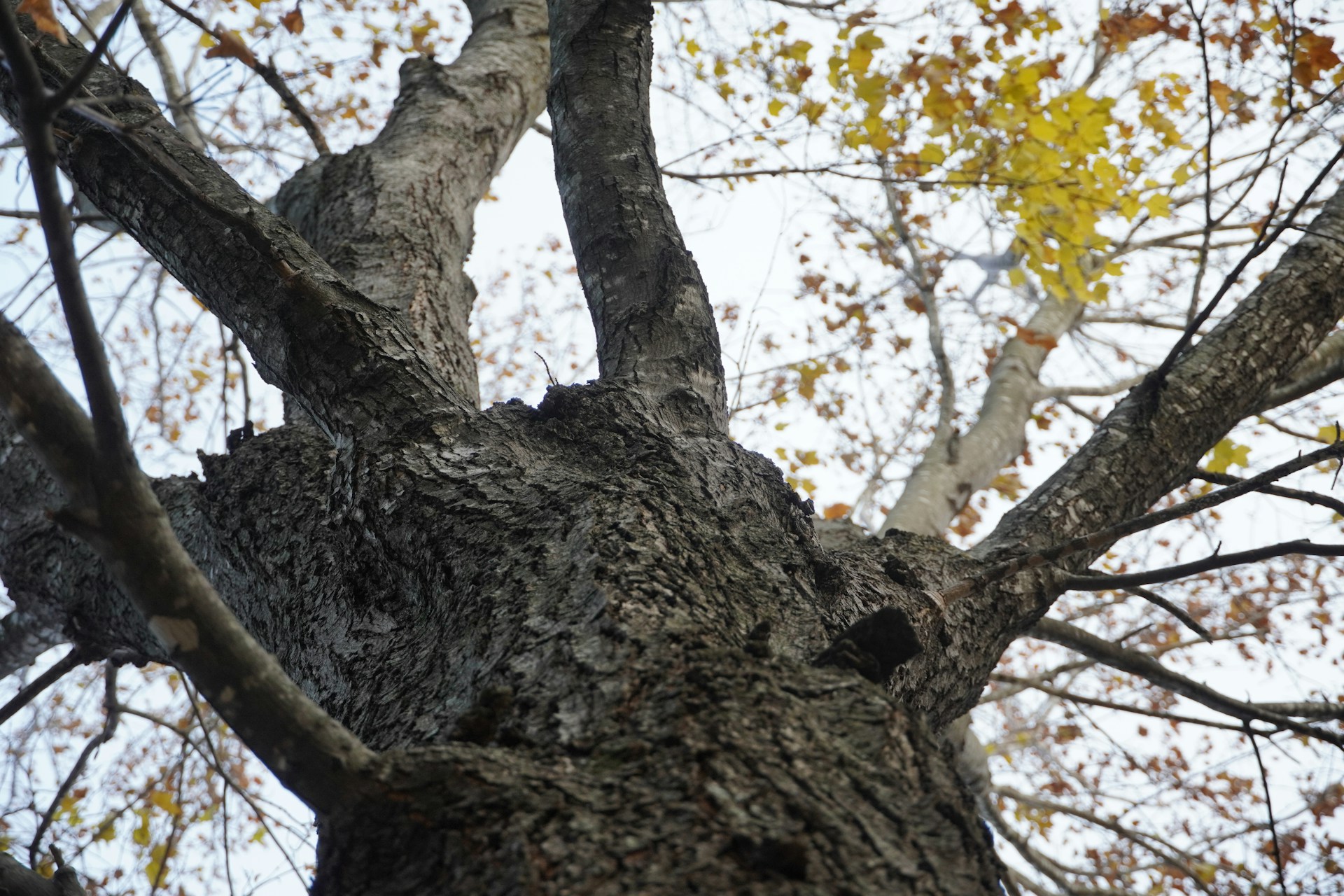
Late-summer storms in Middle Tennessee can tear through a neighborhood in minutes and leave your ash trees looking mostly okay. The tricky part is that some of the worst damage does not show up right away. Over the next few weeks, hidden cracks, bark wounds, and existing Emerald Ash Borer pressure can turn a “fine” ash into a serious hazard over a driveway, roof, or play area.
Here in Franklin and the nearby communities, those weeks after severe weather are the best time for a careful ash tree health evaluation in Franklin yards. Storm stress, drought, and insect damage all stack up. Post-storm triage means watching your trees closely, spotting delayed limb failure, finding bark injuries, and catching EAB-related decline before it gets out of hand. We want to walk you through what to look for and when it is time to bring in a local tree professional for a closer look.
Protecting Your Ash Trees After Tennessee Storms
Ash trees can take a strong wind and still look mostly green the next day. That does not always mean they are safe. Some branches are partially broken or twisted inside, and some cracks are high in the canopy where you cannot see them from the yard.
The weeks right after a storm are important because:
- Internal cracks can spread and cause delayed limb failure
- Small bark wounds can start to dry out, split, or attract insects
- Existing EAB damage can speed up as the tree struggles to recover
Post-storm triage is simply paying close attention instead of assuming everything is fine. Walk around your ash trees, look at them from different sides, and watch for any changes from week to week. For anything that looks off, trained tree crews can step in with safe climbing, equipment, and honest advice to keep your family and your property safe.
Why Ash Trees Are Especially Vulnerable After Storms
Ash trees have some traits that make them more likely to be damaged in strong winds. Their wood can be more brittle than some other shade trees, so heavy limbs may snap instead of bending. In certain soils, roots can be shallow, so the tree has less support when the ground is soaked from rain.
On top of that, ash trees in our area are already dealing with Emerald Ash Borer. The tiny larvae feed under the bark and chew tunnels in the wood. That can:
- Weaken branches and trunks from the inside
- Cut off the flow of water and nutrients
- Leave “healthy-looking” sections that are actually hollow or fragile
Other stressors around Franklin and Brentwood, like compacted clay soil, heat build-up near pavement, drought, or recent yard work near the roots, all add pressure. After a storm, an ash that was just barely hanging on can start to go downhill fast.
A careful ash tree health evaluation in Franklin neighborhoods can sort trees into two groups: those that can be supported with pruning, care, and monitoring, and those that have become high-risk and need to be addressed before the next round of storms.
Spotting Delayed Limb Failure in the Weeks After Storms
Delayed limb failure means a branch was damaged in the storm but does not fall right away. The wood fibers may be torn inside while the outside still looks mostly normal. Over days or weeks, the crack spreads until the limb suddenly drops.
From the ground, watch for:
- Hanging or “flagging” limbs that look out of line with the rest of the canopy
- Branches that are broken and stuck higher in the tree
- Fresh cracks where branches meet the trunk
- Limbs that sag lower than they used to over driveways or roofs
- One section of leaves that wilts, yellows, or turns brown while the rest is green
Big ash limbs are heavy. They can fail without warning, even on a calm day. It is never safe to climb up, pull with a rope, or cut suspect branches yourself. Tree crews use ropes, rigging, and bucket trucks to lower these limbs in a controlled way.
A professional post-storm ash tree health evaluation in Franklin usually means an up-close inspection of key branch unions, older pruning cuts, and the overall canopy structure. That helps decide which limbs need quick removal, which can be watched, and where pruning can relieve weight before something fails.
Hidden Bark Damage and Trunk Injuries You Should Not Ignore
Not all storm damage is obvious right away. Even if no big limbs are on the ground, your ash may have bark and trunk injuries that show up as the tree dries out.
Common storm-related wounds include:
- Long strips of bark torn down the trunk
- “Zipped” splits running vertically along the bark
- Impact scars where falling limbs hit the trunk
- Cracks at the base where the trunk meets the soil
These wounds matter because they open the tree to decay fungi and insects, and they can interrupt the flow of water and nutrients on that side of the tree. Over time, one weakened side can turn the whole tree into a higher-risk target in the next storm.
Signs that bark damage is serious include:
- Deep cracks you can see into
- Bark pulled away in large sheets or flaps
- Oozing, sawdust-like material around a wound
- Soft, spongy, or crumbly wood near the injury
When we inspect a damaged ash, we look at how much live bark is left, how deep the wound goes, and what is happening higher in the canopy. From there, we can talk through whether pruning and monitoring make sense, whether extra support is reasonable, or if the ash should be removed before another high-wind event.
Telling Storm Stress From Emerald Ash Borer Decline
Storm damage is usually a one-time event. Emerald Ash Borer decline is slow, steady, and gets worse over time. In our area, many ash trees are dealing with both at once.
EAB-related symptoms to watch for in the weeks and months after storms include:
- Thinning canopy that often starts at the top
- Clusters of small shoots, or water sprouts, along the trunk or major limbs
- D-shaped exit holes in the bark from adult beetles
- S-shaped galleries under any loose or missing bark
- Heavy woodpecker activity and flaking bark in certain spots
Storm stress can speed up this decline. An ash that was borderline may suddenly show big dead sections, branch dieback, or bark splitting after high winds. The tree may not have the strength left to fight off EAB or close up wounds.
A professional ash tree health evaluation in Franklin can help you decide if there is still a realistic path for treatment and care, or if the tree has reached the point where removal is the safer and more responsible choice for your property and your neighbors.
When to Call for Help and How Greenway Can Triage Your Trees
After a storm, it helps to have simple rules for when to get help. You should call a tree professional if you see:
- Visible cracks in major limbs or the main trunk
- Hanging or lodged branches over driveways, walks, roofs, or play areas
- Large areas of missing bark or deep trunk splits
- Rapid browning or dieback in parts of the canopy
A post-storm visit from Greenway Tree Service typically includes a ground-level safety check, a careful look at the canopy and trunk, and a search for signs of EAB or other disease issues. From there, we lay out a prioritized plan for pruning, removals if needed, and follow-up monitoring so you know what needs attention first.
Because we work in Franklin, Brentwood, Murfreesboro, Columbia, and nearby areas, we understand the local soils, weather patterns, and current EAB pressure your ash trees are facing. Timely triage now means hazardous trees are addressed, treatable ones are protected, and your property is better prepared for the next round of storms that roll through Middle Tennessee.
Protect Your Ash Trees With a Professional Evaluation Today
If you are concerned about signs of stress, pests, or disease in your ash trees, we are ready to help with a thorough ash tree health evaluation in Franklin. Our certified team at Greenway Tree Service will assess the condition of your trees and recommend practical next steps to keep your property safe and healthy. Reach out today to schedule an inspection or contact us with any questions about your specific tree concerns.